
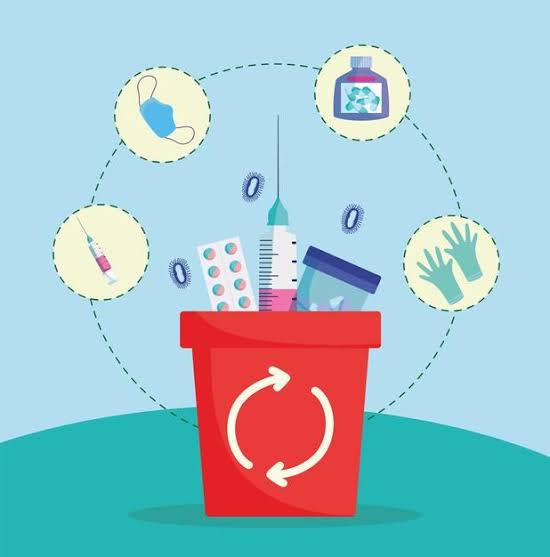
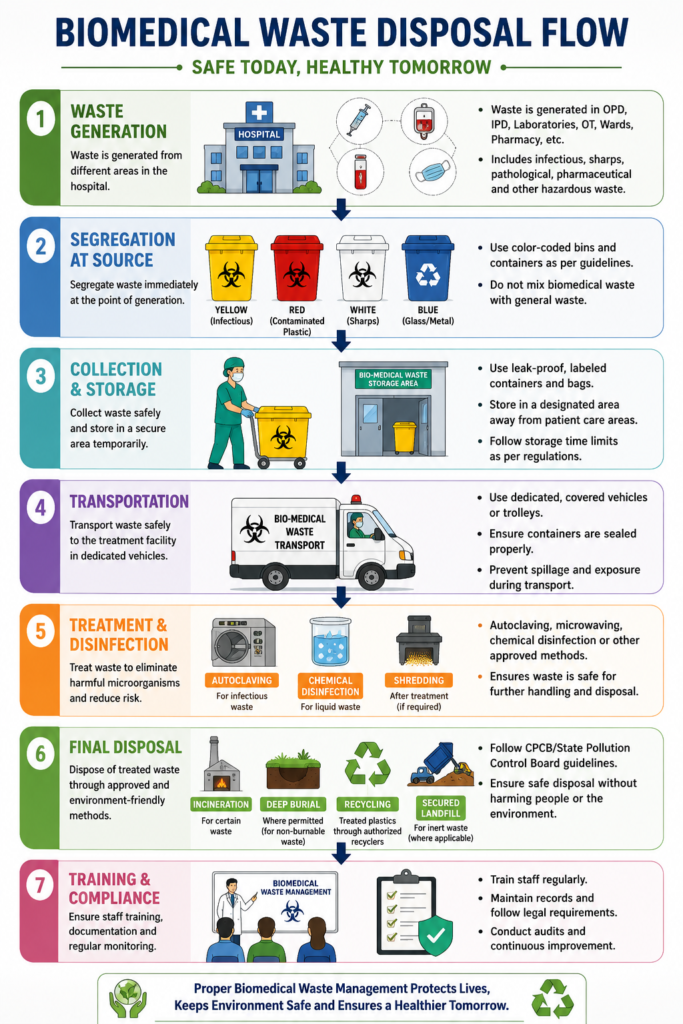
Hospitals play a vital role in protecting public health, but they also generate a significant amount of biomedical waste every day. From used syringes and bandages to laboratory samples and contaminated materials, healthcare waste can pose serious risks if not handled properly. Safe biomedical waste disposal is essential to protect patients, healthcare workers, the community, and the environment.
Why Safe Biomedical Waste Disposal Matters
Improper disposal of biomedical waste can lead to the spread of infections, injuries from sharps, and environmental pollution. Effective waste management helps hospitals maintain hygiene standards, comply with regulations, and create a safer healthcare environment.
Common Mistakes in Biomedical Waste Handling
1. Improper Waste Segregation
2. Incorrect Use of Color-Coded Bins
3. Overfilled Waste Containers
4. Poor Labeling and Documentation
5. Improper Handling of Sharps
6. Inadequate Staff Training
7. Delayed Waste Collection
8. Unsafe Transportation Practices
9. Failure to Use Personal Protective Equipment (PPE)
10. Non-Compliance with Regulations
Biomedical Waste Management Rules in India
The Bio-Medical Waste Management Rules, 2016 were notified by the Ministry of Environment, Forest and Climate Change and replaced the earlier 1998 rules. These rules provide guidelines for the segregation, collection, storage, transportation, treatment, and disposal of biomedical waste generated by healthcare facilities.
Important Amendments
The 2018 amendment strengthened compliance by:
- Phasing out chlorinated plastic bags and gloves.
- Requiring barcode systems and GPS tracking for biomedical waste handling.
- Increasing transparency through annual reporting requirements.
K.G & Co.’s Proven Experience

At K.G & Co., we are government-authorized, ISO-certified, and Pollution Control Board approved. Over the years, we have served 500+ clients — from hospitals and factories to IT parks, schools, and government departments — helping them cut waste, save energy, and meet environmental compliance.
Conclusion
Effective biomedical waste management is not only a regulatory requirement but also a commitment to public health and sustainability. By following safe segregation, collection, transportation, treatment, and disposal practices, hospitals can significantly reduce the risk of infections, protect healthcare workers, and minimize environmental impact.
 +91 97910 82506
 info@kganesangroup.com
 www.kganesangroup.com
FAQ
1. What risks are associated with improper biomedical waste disposal?
Improper disposal can lead to infections, needle-stick injuries, environmental contamination, legal penalties, and public health hazards.
2. How often should biomedical waste be collected?
Biomedical waste should be collected regularly and disposed of according to local regulations to prevent accumulation and reduce health risks.
3. Is K.G & Co. approved for Bio waste management? Yes — government-authorized, ISO-certified, and Pollution Control Board approved.