
Industries generate different types of waste during their daily operations. Proper waste management is not only important for protecting the environment but also plays a major role in meeting Pollution Control Board (PCB) requirements. Effective waste handling helps industries maintain compliance, avoid penalties, and operate responsibly.https://kganesangroup.com/projects/services/
Why Waste Management Matters
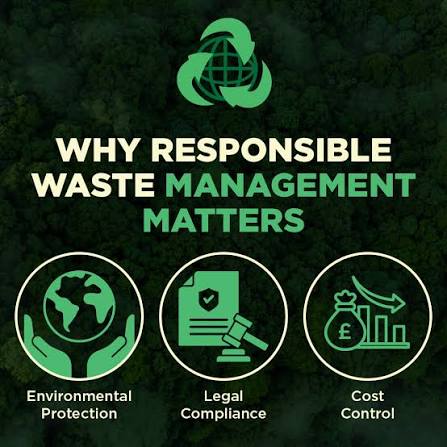
Every industry produces solid, liquid, or hazardous waste. Improper disposal can cause environmental pollution and lead to legal issues. Pollution Control Boards require industries to manage waste safely to reduce environmental impact and ensure public health.
1.Proper Segregation of Waste
Waste segregation is the first step in effective waste management. Separating recyclable, non-recyclable, and hazardous waste helps industries handle each type appropriately. Proper segregation reduces contamination and improves disposal efficiency.
2.Safe Storage and Disposal
PCB regulations require industries to store waste safely before disposal. Proper storage prevents leaks, spills, and environmental damage. Authorized disposal methods ensure waste is treated or disposed of according to regulatory standards.https://cpdonline.co.uk/knowledge-base/health-and-safety/storage-disposal-hazardous-materials/
3.Supporting Regulatory Compliance
Well-managed waste systems help industries meet PCB guidelines and maintain environmental compliance. Proper documentation, waste records, and disposal reports demonstrate adherence to environmental regulations during inspections.
4.Reducing Environmental Risks
Effective waste management minimizes soil, air, and water pollution. Industries that follow proper waste handling practices reduce environmental risks and contribute to a cleaner and healthier environment
5.Promoting Recycling and Resource Recovery
Many industrial wastes can be recycled or reused. Recycling reduces landfill waste, conserves natural resources, and supports sustainable industrial practices while helping industries meet environmental goals.
6.Avoiding Penalties and Legal Issues
Failure to manage waste properly can result in fines, penalties, and operational restrictions. A strong waste management system helps industries remain compliant and avoid regulatory actions.
7.Building a Sustainable Business
Responsible waste management reflects a company’s commitment to environmental protection. Sustainable practices improve business reputation, strengthen stakeholder trust, and support long-term growth.
Conclusion
Waste management is an essential part of PCB compliance. Proper segregation, storage, disposal, and recycling practices help industries meet regulatory requirements, protect the environment, and build a sustainable future.